Article by Brett Braley-Palko | Images by Opulist
A Brief History of the Hotel Minibar
In 1974, Robert Arnold was on a flight from Bangkok to Hong Kong when a miniature bottle of liquor gave him an idea. Arnold was the food and beverage manager at the Hong Kong Hilton, one of the city's most prestigious hotels, where refrigerators had recently been installed in guest rooms. At the time, they were primarily used to hold complimentary bottles of water. But after seeing the miniature bottles served aboard his flight, Arnold began to wonder if there was an opportunity to sell alcohol directly from those little refrigerators.
Back at the hotel, he pitched the idea to his boss, who agreed to test it on a single floor. The experiment was an immediate success. Within a month, the newly christened "minibars" were installed throughout the hotel and, according to subsequent accounts, in-room beverage sales increased by an astonishing 500%. Arnold later recalled that most Hilton hotels had adopted the minibar within a year, with other hotel groups quickly following.
Today, the minibar is one of the most recognizable amenities in a hotel room, although its reputation has changed considerably over the years. Guests have come to associate it with expensive snacks, miniature liquor bottles, and the occasional surprise on their final bill. And where else can you get an $8 Kit Kat? But with some luxury hotels starting to take a renewed interest in their minibars, it's a good time to revisit the history of an amenity that's been around for more than 60 years.
The Early Days of the Minibar
While Arnold is generally credited with popularizing the minibar, the concept had been around for more than a decade. The German company Siegas developed the first refrigerated hotel minibar in the early 1960s, with one of its earliest appearances at the Madison Hotel in Washington, D.C., which opened in 1963.
The timing was ideal. International air travel was becoming increasingly accessible, and major hotel chains were expanding around the world. Meanwhile, amenities like televisions, air conditioning, and direct-dial telephones were changing expectations of what a modern hotel room should offer. Until then, guests looking for something to drink after returning to their rooms generally had to order room service or make their way downstairs to the bar. Having a refrigerator stocked with refreshments offered a new level of convenience, especially at a time when luxury hotels were competing to offer guests the latest innovations.
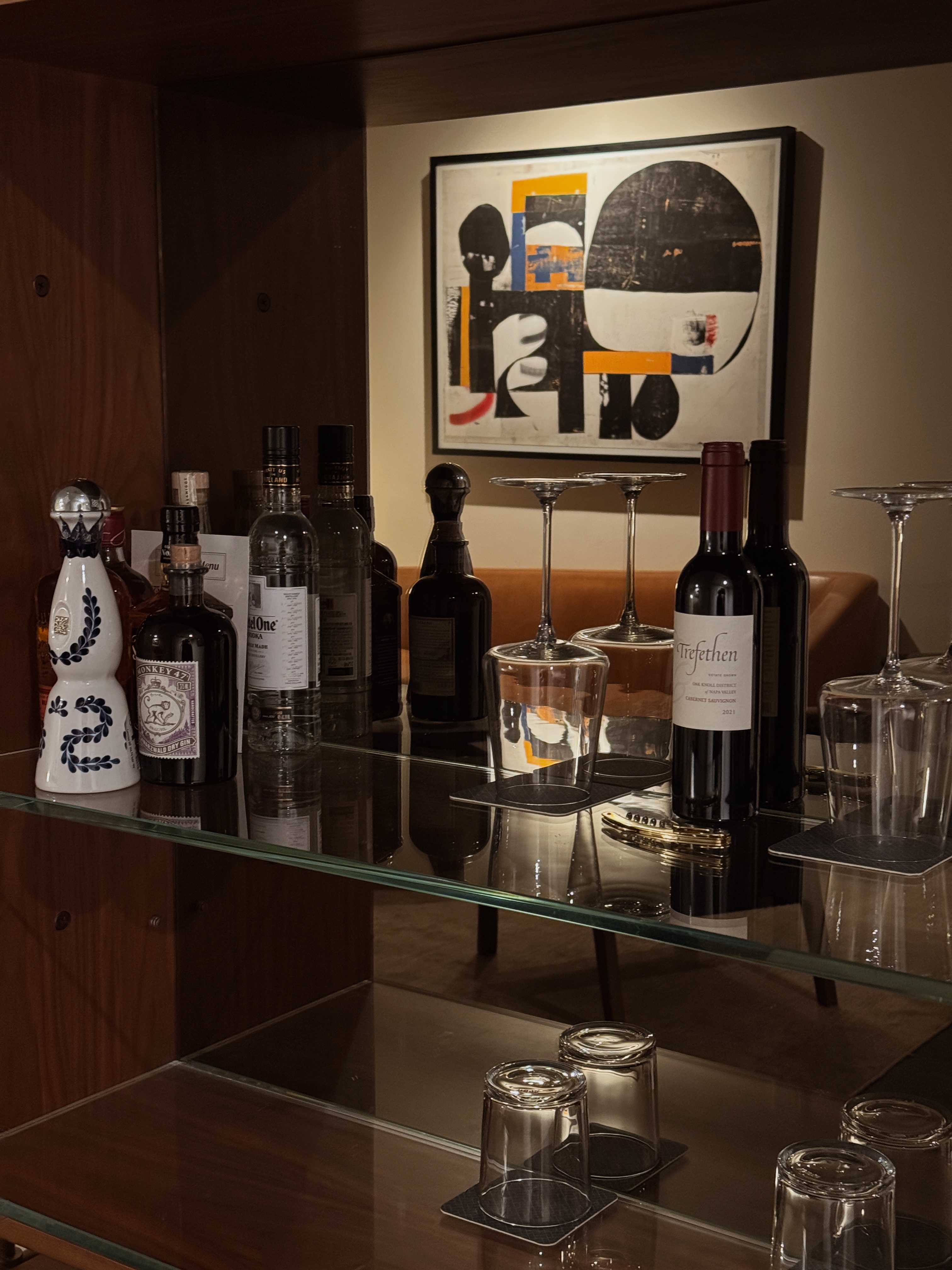
By the 1980s and 1990s, the minibar had firmly established itself as a feature of luxury hotels. Small refrigerators were installed beneath desks or hidden inside wooden cabinets, often accompanied by a printed menu listing the prices of their contents. The selections were relatively predictable, with miniature bottles of gin and whisky alongside your standard array of snacks like Pringles and Toblerone.
There was something appealing about having a well-stocked refrigerator waiting in your hotel room, particularly for business travelers with company expense accounts. Hotels were happy to indulge their guests, too, with snacks and beverages sold at considerable markups. But behind all those tiny bottles was an operation that was becoming increasingly difficult, and expensive, to maintain.
Experimental Roma
When the Minibar Lost Its Appeal
For all its convenience, the minibar developed a complicated relationship with hotel guests. During its early years, most operated on an honor system, with employees inspecting each refrigerator and recording which items had been consumed. Guests occasionally disputed the charges, while others found ways around the system, including replacing consumed alcohol with water or swapping expensive snacks for cheaper versions purchased elsewhere.
Hotels eventually introduced automatic minibars equipped with sensors that could detect when an item was removed and add the purchase directly to the guest's bill. The technology helped reduce labor costs, although it also meant that simply picking up a product to examine it could sometimes result in a charge.
There was also the question of price. A bottle of water that might cost a few dollars at a convenience store could be considerably more expensive inside a hotel room, and the appeal of paying a premium for a miniature bottle of liquor was beginning to fade. Minibars were becoming an increasingly common source of guest complaints, while hotels were discovering that the revenue didn't always justify the cost of keeping them stocked.
By the early 2000s, major hotel chains were reconsidering the amenity altogether. In 2004, the New York Marriott Marquis reportedly removed all 1,946 of its minibars, citing declining demand and the expense of keeping them operational. According to research published by Priceonomics, minibar sales across a sample of 667 full-service hotels fell by 28% between 2007 and 2012.
The familiar refrigerator was gradually disappearing from hotel rooms, particularly as lobby markets and room service alternatives became more appealing to operators. Food delivery apps would eventually give guests even more options, with everything from restaurant meals to convenience store snacks available at their doors. Of course, there were still hotels that retained their minibars, but the days of finding a fully stocked refrigerator in nearly every luxury hotel room were largely over.
The Modern Hotel Minibar
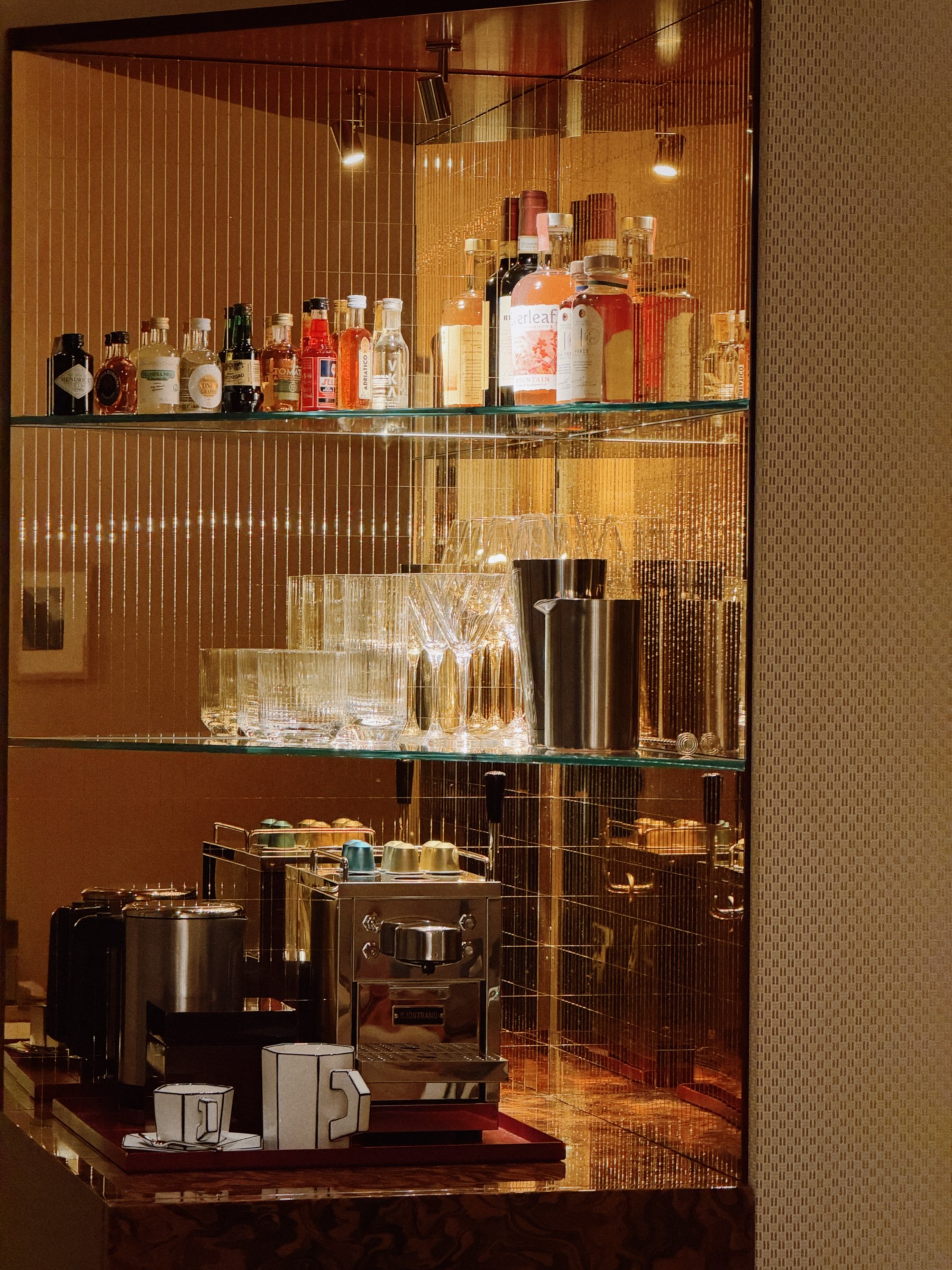
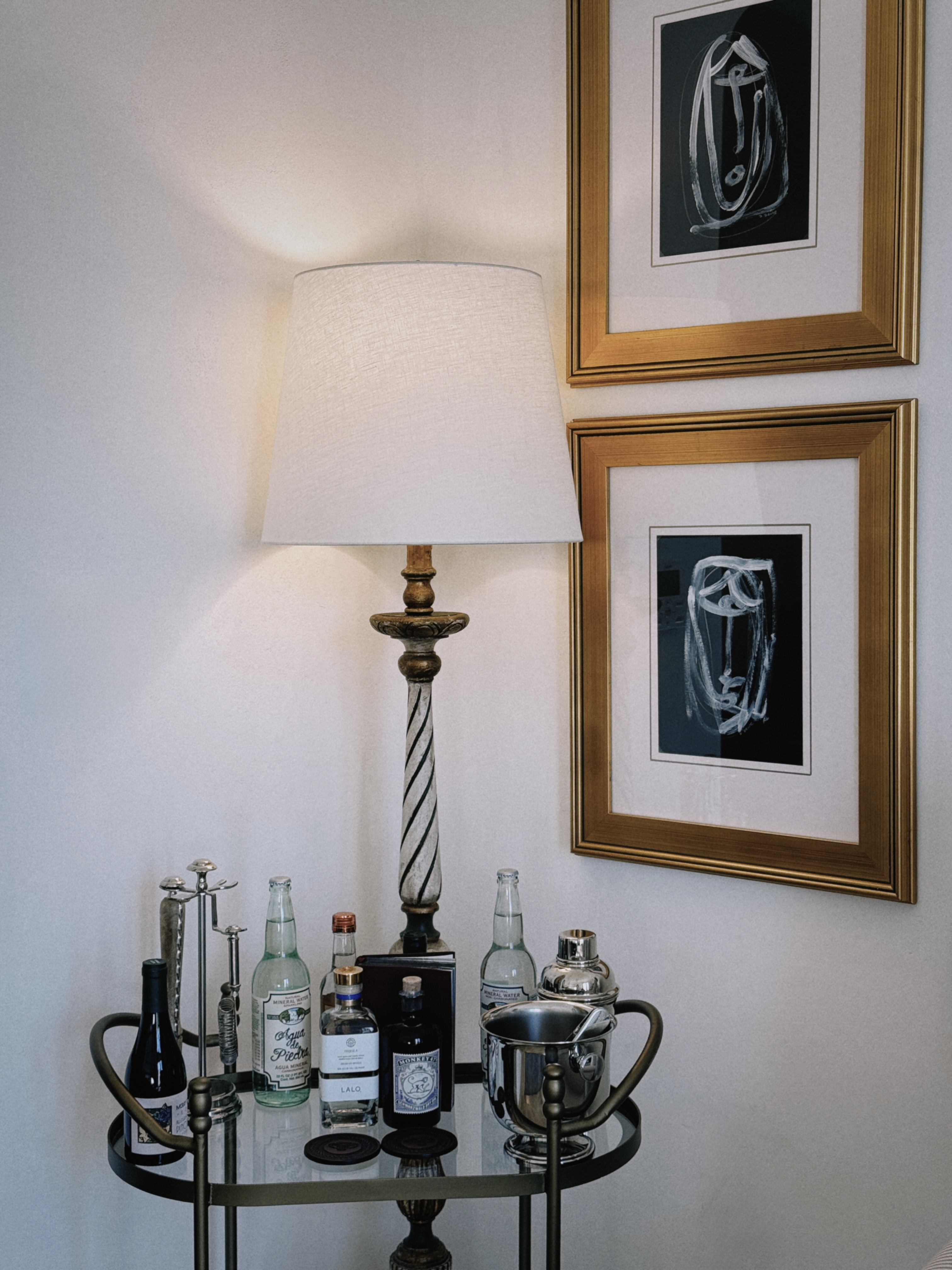
But if you're still in the mood for a bag of M&M's at 2 a.m., or perhaps something a bit more artisanal, fear not. Some luxury hotels are giving the stuffy old minibar a much-needed makeover, with regional specialties, elaborate cabinetry, and selections that go beyond the usual tiny little bottles of booze and overpriced snacks.
At Hotel Emma in San Antonio, Texas, for example, the traditional minibar has been reimagined as an "Ice Box," a reference to the South Texas icehouses that served as neighborhood gathering spots. Housed inside a wooden armoire, the refrigerator and accompanying pantry are stocked with local beers, farmers market provisions, and ingredients for the hotel's signature La Babia Margarita. The hotel itself occupies the former Pearl Brewery, whose history dates back to the 1880s.
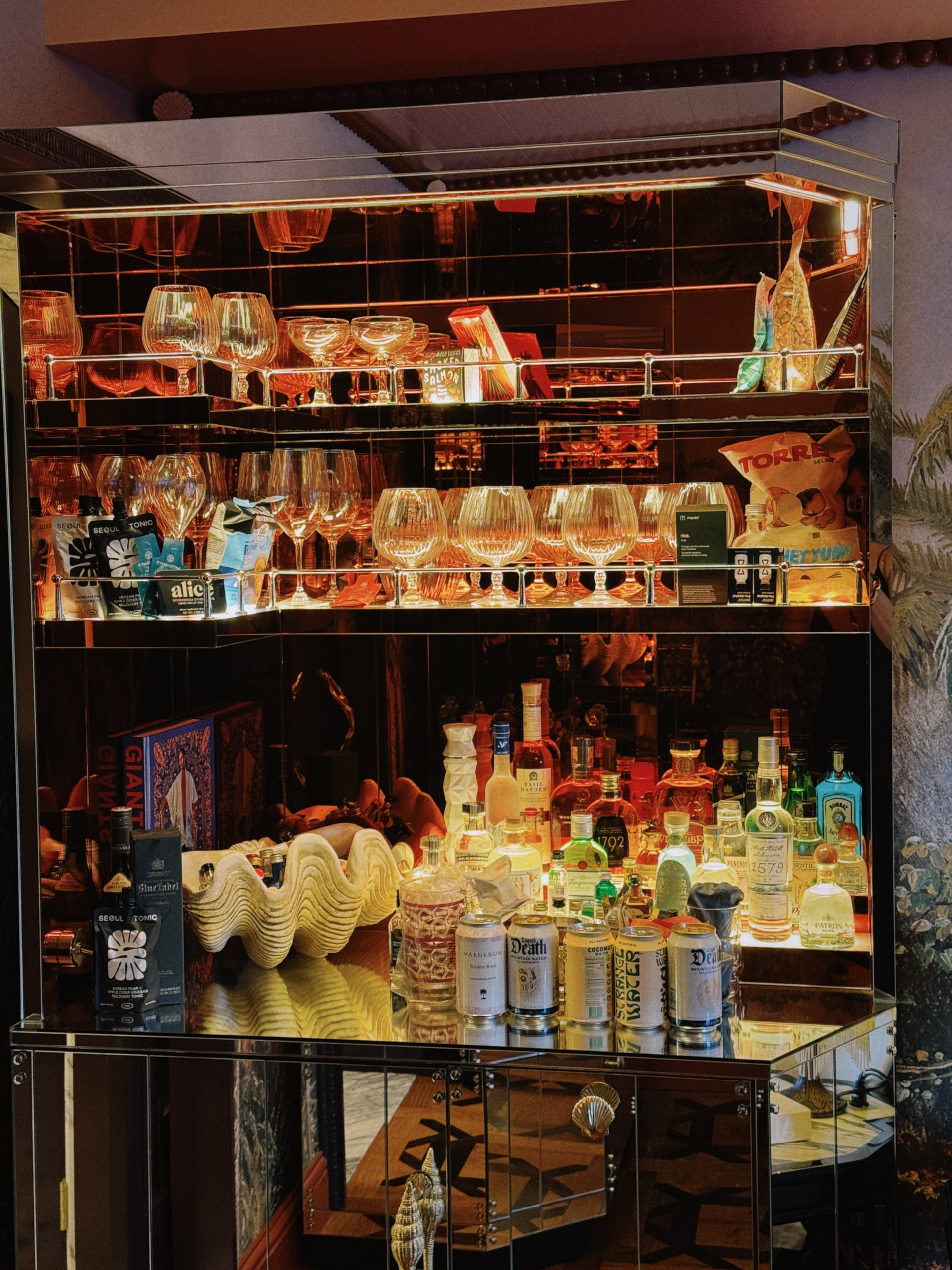
Meanwhile, at Baby Grand, the maximalist boutique hotel that opened in Coronado, California, earlier this year, the minibar has become part of the room's elaborate design. Created by hospitality group CH Projects with Brooklyn-based design studio Post Company, the 31-room property features oversized mirrored minibars that open to reveal interiors finished in red glass and bronze. The cabinets complement the hotel's clamshell headboards, scenic wallpaper, and collection of unusual furnishings, with the in-room bar receiving as much attention as the rest of the space.
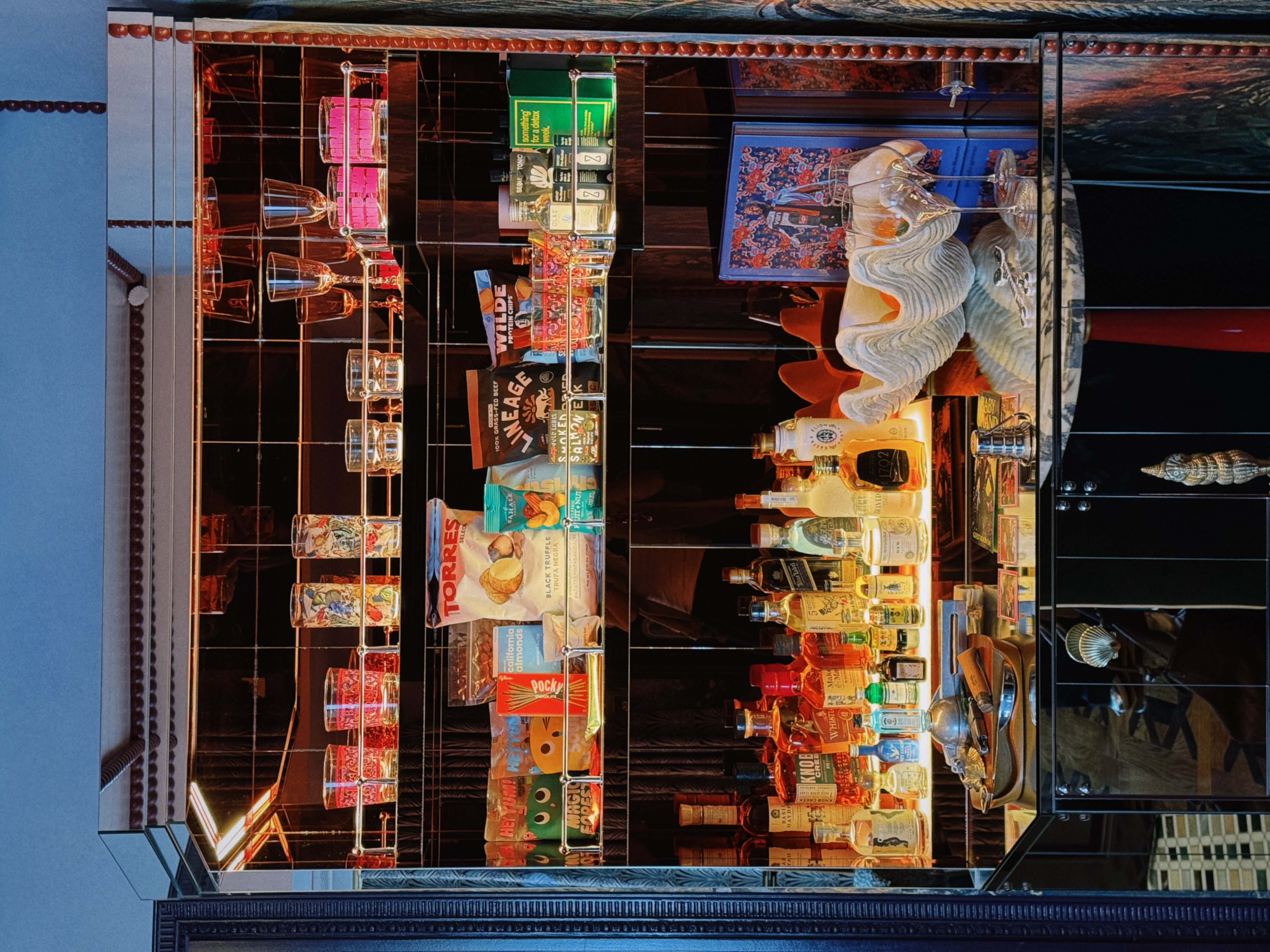
These hotels are approaching the minibar with a greater emphasis on what guests might actually enjoy during their stay. At Hotel Emma, that means ingredients for a margarita and snacks from nearby producers. At Baby Grand, the elaborate cabinetry reflects the property's maximalist interiors and the hospitality group's enthusiasm for cocktail culture.
After years of minibars being hidden beneath desks or stocked with the same familiar snacks, it's nice to see hotels having some fun with them again. And if you're in the mood for a nightcap after dinner, having a well-stocked bar waiting in your room certainly doesn't hurt.